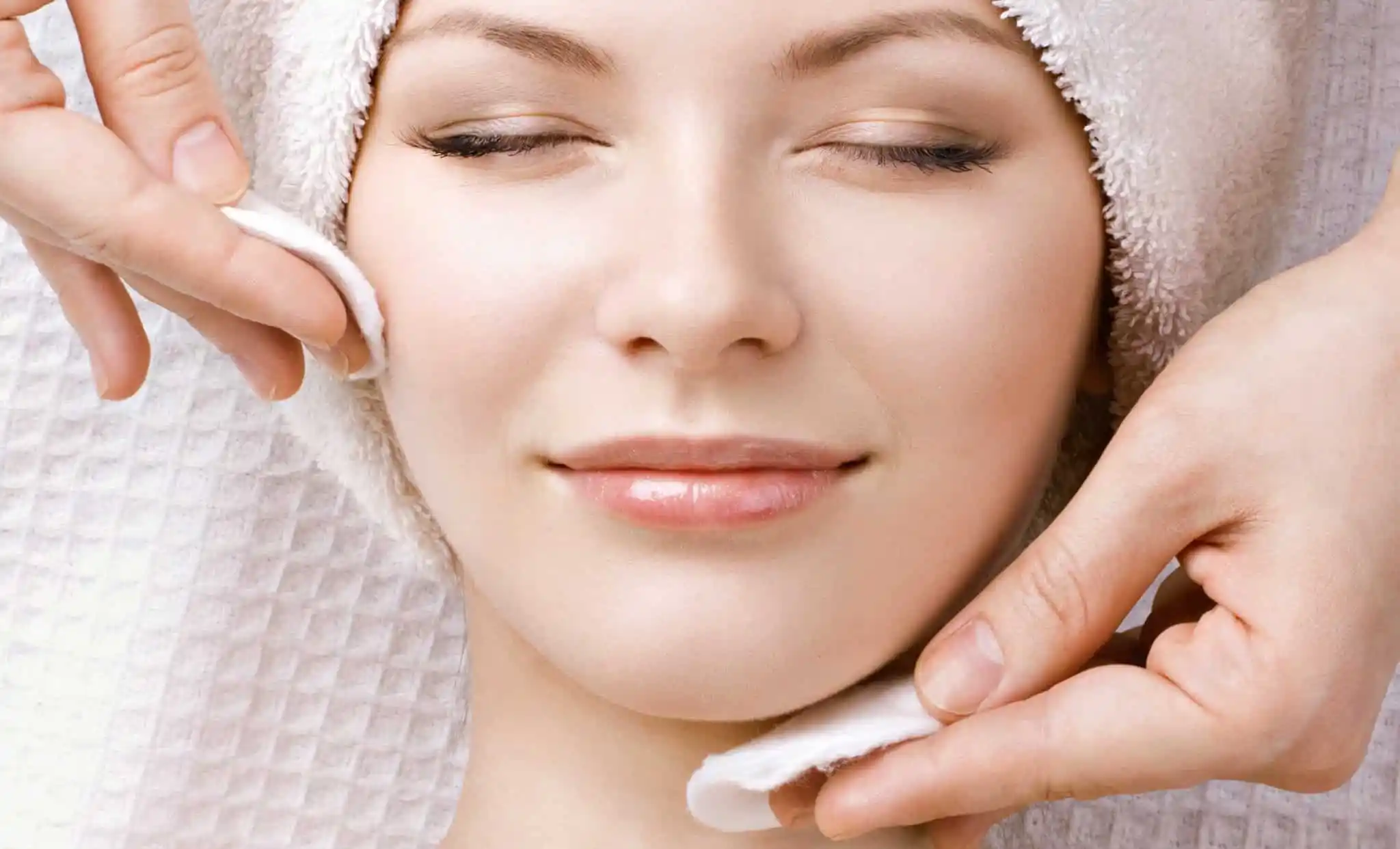

Mixed Skin Care Routine
Mixed skin is one of the most common skin types, and because each type requires its own care routine, it’s essential to understand how to handle it and choose the right products. Proper care helps maintain balance, improve overall skin health, and prevent common issues. This requires a mixed skin care routine that includes daily and weekly steps.
What Does "Routine" Mean?
When discussing the best routine for mixed skin, it’s worth clarifying what “routine” means. A routine is a set of actions performed regularly, often daily, in a specific area of life. For example:
A skin care routine includes steps like cleansing, moisturizing, and applying sunscreen to keep the skin healthy.
A morning routine might include waking up at a set time, having breakfast, and exercising.
The word originates from the French “Routine,” meaning a repeated habit. It often implies organization and discipline but can sometimes suggest boredom if it lacks variety.
Daily Mixed Skin Care Routine
A proper daily mixed skin care routine typically includes the following steps:
1. Cleansing with a Gentle Face Wash
Cleansing is essential for mixed skin. Use a gentle cleanser twice a day:
Morning: to remove oils and dead skin cells accumulated overnight.
Evening: to remove makeup, dirt, and excess oils from the day.
Choose a water-soluble gel or lotion cleanser to suit both dry and oily areas.
2. Using Toner After Cleansing
A toner is crucial for removing any residue and balancing the skin’s pH.
Opt for an alcohol-free toner with hydrating and soothing ingredients.
A lightweight formula ensures it won’t aggravate oily zones.
3. Moisturizing the Skin
Hydration keeps mixed skin balanced. Use:
A rich cream for dry areas like the cheeks.
A lightweight water-based moisturizer for oily areas like the forehead and nose.
Apply twice daily for long-lasting hydration and improved skin elasticity.
4. Sun Protection
No mixed skin care routine is complete without sunscreen.
Use a lightweight, non-greasy SPF of at least 30.
Daily application prevents pigmentation and excess oil production.
5. Makeup Removal
For those who wear makeup, a gentle remover is key.
Micellar water is ideal as it cleanses deeply without drying the skin.
6. Adding a Serum
A targeted serum enhances results. Options include:
Hyaluronic Acid Serum for hydration.
Vitamin C Serum for brightening and reducing spots.
Niacinamide Serum to control oil production.
Weekly Mixed Skin Care Routine
Beyond daily care, include these steps once or twice a week:
1. Exfoliation
Exfoliation removes dead skin cells and clears pores.
Use gentle exfoliants, especially those with Beta Hydroxy Acids (BHA) like salicylic acid.
Limit exfoliation to once a week to prevent dryness or irritation.
2. Face Masks
Face masks provide targeted care.
Use clay masks for oily zones (T-Zone).
Use hydrating masks with hyaluronic acid or aloe vera for dry zones.
Try multi-masking—different masks for different areas—for precise results.
Best Product for Mixed Skin
One of the top products for a mixed skin care routine is Brightening Foam by Hac Cosmetics:
Renewal & Brightening: Contains glycolic and lactic acids for improved texture and radiance.
Biological Balance: Includes postbiotics to strengthen the skin barrier and support a healthy microbiome.
Anti-Pollution: Features Urban D-tox technology to remove pollutants and prevent oxidative stress.
FAQs About Mixed Skin Care Routine
How do I start the best routine for mixed skin?
Begin with three basics: cleanse, tone, and moisturize (using two different moisturizers for dry and oily areas). Gradually add serums and masks as needed.
How often should I cleanse mixed skin?
Twice daily—morning and evening. Over-cleansing can worsen dryness and increase oiliness in the T-zone.
Does mixed skin need exfoliation?
Yes, but only once a week with a gentle formula to prevent irritation while keeping pores clear.
Final Thoughts
A mixed skin care routine is essential to balance dryness and oiliness. By selecting the right products for each area and following consistent steps—daily cleansing, toning, moisturizing, sun protection, and weekly treatments like exfoliation and masks—you can maintain healthy, glowing, and even-toned skin.

News & Related Articles
Latest News & Articles

Sensitive skin requires special care and the choice of safe products to avoid any irritation or redness. This is why whitening masks for sensitive skin have become a preferred option for many women who seek smooth, radiant skin while also being protected from harsh ingredients that may negatively affect the skin. At the same time, relying on natural whitening masks for the skin is a safe and effective way to nourish the skin and restore its glow, as natural ingredients offer multiple benefits without harsh side effects. Hence, choosing the right mask for sensitive skin is the first step to guaranteed results, and this is exactly what HAC Cosmetics products provide.Here is this article to introduce you to the best whitening masks for sensitive skin and how to use them safely and effectively.
Secrets of Whitening Masks for Sensitive Skin
When we talk about whitening masks for sensitive skin, we mean those blends made from natural ingredients that are gentle on the skin, such as honey, yogurt, or rose water. These ingredients help moisturize the skin and gradually lighten its tone without causing itching or inflammation, while also reducing dark spots and evening out skin tone in a safe way—unlike some strong chemical products that may be too harsh on sensitive skin.For this reason, natural whitening masks for the skin are among the best solutions for any woman who desires more radiant skin without risks. HAC Cosmetics has been keen to provide gentle and safe products, most notably the Hydra Vital Mask, which features a lightweight formula and contains active ingredients such as hyaluronic acid, panthenol, argan oil, and wild pansy extract, making it an ideal choice to support both hydration and whitening.
Natural Whitening Masks for the Skin
When preparing natural whitening masks for the skin, it is important to pay attention to the type of ingredients used. Sensitive skin is quickly affected by artificial fragrances or chemical substances. Therefore, relying on natural ingredients such as cucumber, milk, or turmeric ensures proper nourishment and gradual lightening of the skin. Here are some suitable masks for whitening sensitive skin:
1- Honey and Yogurt Mask for Sensitive Skin
The honey and yogurt mask is one of the most popular whitening masks for sensitive skin. Honey moisturizes and soothes the skin, while yogurt helps lighten dark spots thanks to its lactic acid content, which aids in cell renewal. This combination is considered ideal among natural whitening masks for the skin, as it provides visible radiance with regular use. It can be applied twice a week to achieve satisfying results without irritation.
2- Cucumber and Rose Water Mask
Cucumber is known for its soothing and moisturizing properties, making it a key ingredient in whitening masks for sensitive skin, as it reduces redness and inflammation when used regularly. Rose water, on the other hand, refreshes and brightens the skin, making it a great option among natural whitening masks for the skin. Grated cucumber can be mixed with a little rose water and applied to the face for a fresher, more radiant look.
3- Milk and Turmeric Mask
Turmeric is known for its antioxidant properties and helps reduce pigmentation. When mixed with milk, it creates an effective mask for whitening sensitive skin. Milk moisturizes the skin, while turmeric provides a natural glow. This mask is one of the most famous natural whitening masks for the skin and has been used by women since ancient times for its effectiveness and ease of preparation.
4- Aloe Vera and Honey Mask
Aloe vera gel is rich in vitamins and soothing compounds, making it very suitable for sensitive skin. When combined with honey, it results in an effective mask that falls under whitening masks for sensitive skin, as it deeply hydrates the skin and gradually lightens dark spots. This mask is also considered one of the natural whitening masks for the skin that deliver excellent results without harm.
Hydra Vital Mask from HAC Cosmetics
Many women compare whitening masks for sensitive skin prepared at home with commercial products available on the market. The choice often depends on time and budget. However, natural whitening masks for the skin remain safer and more suitable for sensitive skin.
Brands like HAC Cosmetics have offered a middle-ground solution that combines product quality with ease of use, while ensuring they are free from harmful substances. HAC introduced the Hydra Vital Mask, one of its most important products, designed to moisturize and nourish the face, neck, and chest in dry or even dull and tired skin.
Key Benefits of the Mask:
1- Deep and Instant Hydration:
A rich formula based on hyaluronic acid and wild pansy extract provides immediate deep hydration, enhances the skin’s ability to retain moisture, and distributes it effectively and evenly.
2- Nourishment and Balance Restoration:
Argan oil, rich in Omega 3 and 6 fatty acids, helps replenish essential skin lipids, enhancing comfort and strengthening the skin’s protective barrier.
3-Soothing and Renewal:
Contains panthenol (provitamin B5), known for its soothing and regenerative properties, which reduce redness and prevent skin peeling and irritation.
4-Support for Skin’s Microbiome Balance:
Includes a postbiotic ingredient derived from lactobacillus fermentation that supports the skin’s natural microbiome balance and strengthens its protective barrier function.
5- Pollution Protection:
Contains Urban D-tox complex, which helps remove particulate pollutants and reduce oxidative stress, thereby preventing signs of aging caused by environmental pollution.
How to Use:
1- Twice a week, morning and evening.
2- Apply a generous layer of the product to previously cleansed and dried skin, leave for 10–15 minutes, then remove the remaining product using a sponge or damp tissues.
HAC Cosmetics’ Role in Providing Safe Solutions
HAC Cosmetics is considered one of the leading brands specializing in skincare, relying on carefully studied and safe natural ingredients that make its products highly suitable for sensitive skin. The company has developed a variety of products that can easily be integrated into daily skincare routines, offering women a practical and effective alternative to traditional whitening masks for sensitive skin, while maintaining softness and comfort.
The philosophy of HAC Cosmetics is built on combining high effectiveness with complete safety, a direction that reflects customers’ trust in the products and aligns with the growing global trend of returning to nature and relying on natural whitening masks for the skin instead of harsh chemical products that may cause side effects. The brand aims to provide innovative solutions that ensure balanced, healthy radiance in the long run.
Important Tips Before Using Whitening Masks
Cleanse your face well with a gentle cleanser to remove impurities before applying the mask. We recommend Brightening Foam by HAC Cosmetics, a creamy alpha-hydroxy-based cleanser that renews, balances, and protects.
After washing, gently dry your skin with a soft, clean cotton towel to avoid transferring bacteria.
It is best to test the Hydra Vital Mask on a small patch of skin first to ensure no allergic reaction occurs.
Choose a mask that suits your skin type and directly addresses its concerns.
If you suffer from inflammation or itching, postpone using masks until the skin completely calms down.
Do not leave the mask on longer than the specified time to avoid irritation.
Avoid rubbing the mask on your skin, as this may cause scratches or irritation.
Using the mask once or twice a week is enough to achieve desired results without overburdening the skin.
After removing the mask, wash your face with cold water to help close pores and maintain freshness.
In Conclusion, Caring for sensitive skin requires full awareness of its nature and the selection of safe and effective solutions. Among the most important of these solutions is relying on whitening masks for sensitive skin made from natural ingredients such as honey and yogurt, cucumber and rose water, or aloe vera and honey all excellent examples of natural whitening masks for the skin. Turning to trusted brands like HAC Cosmetics further enhances the chances of achieving radiant, safe skin that combines beauty with health.
FAQs About Whitening Masks for Sensitive Skin
Can whitening masks for sensitive skin be used daily?
It is preferable to use these masks only once or twice a week, since sensitive skin needs rest periods to avoid any irritation.
What is the difference between whitening masks for sensitive skin and regular masks?
Regular masks may contain strong ingredients or chemical exfoliants while natural whitening masks for the skin designed for sensitive skin are gentle, soothing, and provide gradual brightening.
Are HAC Cosmetics products an alternative to homemade masks?
HAC Cosmetics offers safe products with well-studied formulas that can complement natural masks. They provide relatively faster results while maintaining skin comfort.

In the world of skincare, sunscreen is one of the most essential products you can own—not just to shield against UV rays, but also to protect your skin from dark spots and pigmentation that affect your skin’s even tone and overall glow. But with so many options and brands out there, how do we choose the best sunscreen for hyperpigmentation? In this guide, we’ll take you through the importance of sunscreen, key ingredients to look for, top recommended products, and expert tips on how to use it effectively to get maximum results.
What’s the Relationship Between Sun Exposure and Skin Pigmentation?
Sunlight is the primary cause of pigmentation, especially a condition known as “hyperpigmentation” which results from overexposure to ultraviolet rays (UVA and UVB). These rays stimulate melanin-producing cells to secrete excess pigment as a protective response, leading to dark spots on the face and other exposed parts of the body.
Why Do You Need a Special Sunscreen for Pigmented Skin?
Not all sunscreens are created equal—especially when it comes to pigmented or uneven skin. If your skin is prone to dark spots, post-acne marks, or melasma, then you need a sunscreen with specific features:
Broad-spectrum protection (UVA/UVB)
Ingredients that reduce melanin production
Fragrance-free and alcohol-free to minimize irritation
Non-comedogenic (won’t clog pores)
Supports skin tone unification
Key Ingredients to Look for in the Best Sunscreen for Hyperpigmentation
Zinc Oxide & Titanium Dioxide
These physical filters reflect UV rays off the skin’s surface and are ideal for sensitive or pigment-prone skin.
Niacinamide
Helps reduce melanin production and gradually lightens dark spots.
Vitamin C
A powerful antioxidant that helps minimize pigmentation by reducing cell damage from sun exposure.
Kojic Acid
Prevents melanin production and effectively brightens dark patches.
Best Sunscreens for Hyperpigmentation
1. La Roche-Posay Anthelios Pigment Correct SPF 50+
A popular French dermatological brand. This formula contains niacinamide and antioxidants, offering high UV protection while brightening dark spots and evening skin tone over time.
2. ISDIN Fusion Water Color SPF 50
Lightweight formula with a slight tint that blends into skin tone. It combines antioxidants with highly effective chemical UV filters.
3. Vichy Capital Soleil Anti-Dark Spots SPF 50+
Rich in ferulic acid and niacinamide, this sunscreen helps correct and prevent pigmentation while providing high protection.
4. Bioderma Photoderm M SPF 50+
Specially formulated for skin with melasma and hormonal pigmentation. It uses patented technology to reduce melanin production.
5. Eucerin Sun Pigment Control SPF 50+
Features Thiamidol—a potent depigmenting agent. With consistent use, it shows visible results in 4 weeks.
Tips for Using Sunscreen Effectively to Treat Pigmentation
1. Don’t Wait for Sunny Days
Sunscreen should be used daily, even on cloudy days or indoors, as UV rays can penetrate windows.
2. Apply the Correct Amount
Use about half a teaspoon for the face and another for the neck. Spread it evenly without excessive rubbing.
3. Reapply Every 2 Hours
If you’re outdoors or swimming, make sure to reapply every 2 hours for continued protection.
4. Combine with Brightening Products
For best results, pair your sunscreen with a brightening serum or cream that contains Vitamin C or mild exfoliating acids.
Is Sunscreen Alone Enough to Treat Hyperpigmentation?
While sunscreen is your first line of defense, it isn’t enough on its own to eliminate pigmentation. Instead, it should be part of a holistic skincare routine that includes:
Gentle exfoliation (twice a week)
Targeted serums for pigmentation
Deep daily moisturizing
A healthy lifestyle to reduce stress and minimize sun exposure
Frequently Asked Questions About Sunscreen and Pigmentation
Can sunscreen remove pigmentation?
Sunscreen doesn’t directly remove pigmentation, but it prevents it from worsening and allows the skin to repair itself when combined with other treatments.
What’s the difference between physical and chemical sunscreens?
Physical sunscreens reflect UV rays and are ideal for sensitive skin. Chemical sunscreens absorb UV rays and convert them into heat—these are usually lighter in texture and better suited for oily or acne-prone skin.
Can sunscreen lighten skin?
If it contains ingredients like niacinamide or Vitamin C, it may help even out skin tone and reduce dark spots—but it’s not a whitening product per se.
How to Choose the Best Sunscreen for Hyperpigmentation
Choosing the best sunscreen for hyperpigmentation depends on knowing your skin type and how sensitive or pigmented it is. Always look for an SPF of at least 50, a gentle formula that won’t irritate your skin, and ingredients that treat pigmentation—not just protect against it. And most importantly, consistency is key. Skin won’t heal overnight, but with daily use and proper care, you’ll start seeing a visible difference.

Facial pigmentation is one of the most common skin problems among both women and men. It directly affects the appearance of the skin and a person’s self-confidence. Studies indicate that about 40% of women in the Arab world suffer from varying degrees of pigmentation, whether superficial or deep. These dark spots usually appear due to continuous exposure to sunlight, hormonal changes, or even as a side effect of certain daily habits. In recent years, searching for the best cream for facial pigmentation treatment has become one of the most trending topics on search engines, as people seek a practical and safe solution to reduce the intensity of spots and restore the skin’s natural clarity. HAC Cosmetics has distinguished itself by offering innovative products that treat pigmentation safely and effectively, combining modern technology with well-studied formulas to gradually lighten the skin.
This article provides you with a comprehensive guide to understanding the nature of pigmentation, its causes, and how to deal with it, along with scientifically supported tips to help you choose the most suitable treatment and achieve long-lasting results.
The Importance of Sun Protection
Sun protection is the first line of defense against pigmentation. Medical reports have shown that unprotected exposure to UV rays is responsible for more than 80% of dark spot cases. The face is exposed daily to environmental factors such as heat, dust, and harmful rays, all of which stimulate excessive melanin production, leading to unwanted dark patches.
Using a high-protection sunscreen daily, even on cloudy days, reduces the chances of pigmentation. One of the top options is Mesoprotech Melan 130 Pigment Control from HAC Cosmetics, which provides strong protection with natural coverage that helps prevent spots from worsening.
Morning Skincare Routine
Morning skincare is an essential step to maintaining skin radiance and protecting it from external stressors. The routine begins with cleansing the face using a gentle cleanser that removes impurities without causing dryness, followed by applying a brightening cream that gradually reduces melanin production. One of the best examples is Melan Tran3x Gel Cream from HAC Cosmetics, with its gentle formula suitable for all skin types without irritation. It is one of the leading options that help the skin appear clearer and more refined.
Some studies indicate that maintaining a consistent morning routine reduces the chance of new spots appearing by 25%, as the skin is more ready to absorb active ingredients in the morning. Including the best cream for facial pigmentation treatment in this routine makes results more noticeable in a relatively short period, especially with daily, uninterrupted use.
Deep Moisturization and Its Role in Treating Pigmentation
One of the common mistakes many people make is neglecting daily moisturization, even though dry skin is 40% more likely to develop dark spots compared to well-hydrated skin. This is because dryness weakens the skin’s protective barrier and reduces its ability to resist pigmentation-causing factors. Using a moisturizing cream morning and night enhances skin elasticity and gives it a healthy appearance, while also boosting the effectiveness of the best cream for facial pigmentation treatment, as hydrated skin absorbs active ingredients better.
Caring for Sensitive Areas and the Neck
Facial pigmentation is not the only issue, many women also suffer from darkening of the neck or sensitive areas such as the inner thighs. These areas need special care since they are more prone to friction and sweating, which cause uneven skin tone over time. Dermatologists recommend using gentle creams formulated for these areas while maintaining consistent moisturization to reduce friction. One of the most notable products is Hydragel Intimate from HAC Cosmetics, which provides deep hydration and helps protect sensitive areas from irritation and dryness, thereby promoting overall skin health.
The Difference Between Superficial and Deep Pigmentation
Not all pigmentation is the same, there are two main types: superficial and deep pigmentation. Superficial pigmentation is usually light brown and appears due to prolonged sun exposure or the use of unsuitable skincare products. It responds faster to topical treatments. Deep pigmentation, however, is darker and extends to deeper skin layers, requiring a longer treatment period or additional medical procedures such as laser sessions or chemical peels. The best cream for facial pigmentation treatment is highly effective for superficial pigmentation, while in deeper cases, it should be part of a comprehensive treatment plan supervised by a dermatologist.
Consulting Dermatologists
Medical follow-up plays a key role in treating skin issues. Consulting a dermatologist helps determine the exact type of pigmentation and create a suitable treatment plan. Medical statistics show that women who regularly visit dermatologists have 30% fewer hyperpigmentation problems compared to others. The doctor may recommend using the best cream for facial pigmentation treatment alone in mild cases or combining it with cosmetic procedures in more complex cases, ensuring more precise and long-term safe results.
The Role of Diet in Skin Health
A proper diet plays a major role in reducing pigmentation. Foods rich in vitamin C, such as citrus fruits, help reduce melanin production, while vitamin E–rich foods like nuts protect cells from damage. A study conducted on 200 women showed that following a diet rich in antioxidants helps reduce pigmentation intensity by 25%. When a healthy diet is combined with the use of the best cream for facial pigmentation treatment, results become clearer and more sustainable, as the treatment works both internally and externally.
Daily Habits That Increase Pigmentation
Certain daily practices directly harm the skin and increase the likelihood of pigmentation, such as smoking, staying up late, lack of sleep, and not removing makeup before bed. These habits weaken the skin’s cell renewal process and increase free radical production, leading to premature aging and dark spots. Avoiding these habits maintains skin health and enhances the effectiveness of the best cream for facial pigmentation treatment, as it works in a healthier environment capable of faster recovery.
Practical Tips for Protecting the Skin
Dermatology experts offer several tips to reduce the chances of dark spots appearing:
Daily Tips
Avoid going out during peak sun hours between 10 a.m. and 3 p.m.
Wear a wide-brimmed hat for sun protection
Keep the skin moisturized morning and night
Use the best cream for facial pigmentation treatment regularly
Get enough sleep to support cell regeneration
Applying these simple steps daily helps maintain even-toned, radiant skin.
Real Experiences with Pigmentation Treatment
A survey conducted among 500 women in the Middle East showed that 72% noticed significant improvement in their skin tone after using pigmentation creams daily for three months. Moreover, 60% stated that consistency was the key factor in achieving desired results. These practical findings confirm that the best cream for facial pigmentation treatment delivers visible outcomes when combined with long-term commitment and a healthy daily routine.
In conclusion, facial pigmentation is a skin issue that affects one’s beauty and confidence, yet it is treatable and preventable with the right steps. Combining sun protection, regular moisturization, a healthy diet, medical follow-up, and the consistent use of the best cream for facial pigmentation treatment from HAC Cosmetics creates a comprehensive plan that ensures effective long-term results. Although the cream alone may not be a magical solution, combining it with these essential elements makes the treatment faster and more sustainable. Remember, consistency and patience are key, pigmentation did not appear overnight, and it will not disappear in a few days. But with the right care, you can restore your skin’s natural clarity and enjoy a brighter, more confident look.
Frequently Asked Questions
Can pigmentation be completely eliminated?
Pigmentation can be greatly reduced but may not disappear entirely. Consistent use of the best cream for facial pigmentation treatment, along with protection, leads to noticeable improvement.
How long does it take for the cream to show results?
Results usually begin to appear after 6 to 8 weeks of regular use.
Can pigmentation return after treatment?
Yes, it may return if sun protection or a consistent skincare routine is not maintained.
Is the best cream for facial pigmentation treatment suitable for all skin types?
Most creams suit all skin types, but sensitive skin requires specially formulated gentle products